
How to Build Muscle Naturally is one of the most common questions beginners ask when they start their fitness journey. With the right workouts, balanced nutrition, quality sleep, and consistency, anyone can build muscle without steroids
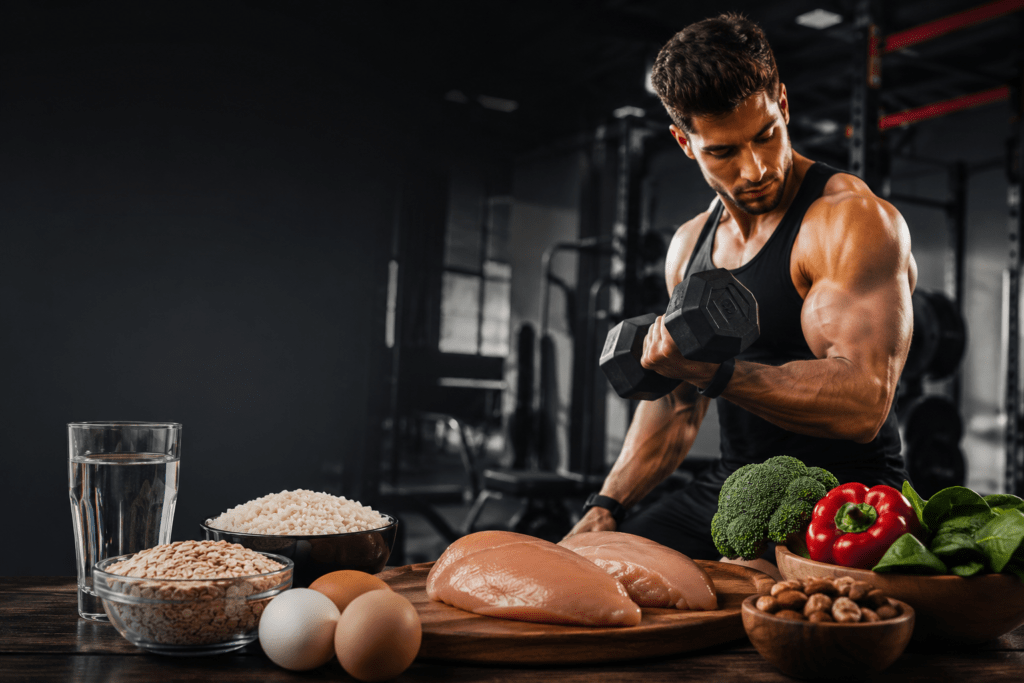
If you’ve ever stepped into a gym, you’ve probably heard people say things like, “You need expensive supplements,” “You have to eat chicken six times a day,” or even, “How to Build Muscle Naturally is too slow.”
I believed some of those things when I first started too.
After spending months learning about training, nutrition, and recovery, I realized that building muscle naturally isn’t complicated. It just requires consistency, patience, and following the basics properly. Most beginners don’t fail because they lack potential—they fail because they keep changing workouts, skipping meals, or expecting results in two weeks.
In this guide, I’ll explain everything you need to know about How to Build Muscle Naturally, whether you’re starting your fitness journey or trying to break through a plateau.
How to Build Muscle Naturally: Step-by-Step Guide
How to Build Muscle Naturally means increasing muscle size and strength without using anabolic steroids or performance-enhancing drugs.
Your body already has everything it needs to How to Build Muscle Naturally. The goal is to provide the right training stimulus, enough nutrition, proper recovery, and time.
Natural muscle growth may take longer than shortcuts, but it comes with fewer health risks and results that are much easier to maintain.
How to Build Muscle Naturally Actually Work?
Every time you perform resistance training, your muscles experience tiny amounts of stress. During recovery, your body repairs those muscle fibers, making them slightly bigger and stronger than before.
This process is called muscle hypertrophy.
For muscle growth to happen consistently, you need three things:
- Progressive resistance training
- Enough calories and protein
- Proper sleep and recovery
Miss even one of these consistently, and progress slows down.
Step 1: Follow a Proper Strength Training Program
Walking into the gym and randomly using machines won’t give you the best results.
Your workout should be structured around progressive overload.
Progressive overload simply means doing a little more over time by:
- Increasing weight
- Doing more repetitions
- Adding one extra set
- Improving exercise technique
- Increasing training volume gradually
Focus mainly on compound exercises because they train multiple muscles at once.
Some of the best compound lifts include:
- Squats
- Deadlifts
- Bench Press
- Overhead Press
- Pull-Ups
- Barbell Rows
- Romanian Deadlifts
Isolation exercises like curls, tricep pushdowns, and lateral raises are useful too, but they should support your main lifts instead of replacing them.
Step 2: Train Each Muscle Twice Every Week
One of the biggest mistakes beginners make is training chest only on Monday and waiting another seven days.
Research consistently shows that training each muscle around two times per week generally produces better muscle growth than training it only once.
A simple weekly split could look like this:
Monday: Push (Chest, Shoulders, Triceps)
Tuesday: Pull (Back, Biceps)
Wednesday: Legs
Thursday: Rest
Friday: Push
Saturday: Pull
Sunday: Legs
This allows enough recovery while keeping training frequency high.
Step 3: Eat More Calories Than You Burn
Muscles don’t grow from workouts alone.
Your body needs energy to repair and build new tissue.
If you’re trying to How to Build Muscle Naturally, stay in a small calorie surplus.
For most beginners, eating around 200–300 extra calories above maintenance works well.
Avoid the mistake of dirty bulking.
Eating unlimited pizza, burgers, and sugary drinks will mostly increase body fat rather than muscle.
Instead, choose nutrient-dense foods such as:
- Rice
- Oats
- Potatoes
- Whole wheat bread
- Eggs
- Chicken
- Fish
- Paneer
- Greek yogurt
- Milk
- Fruits
- Vegetables
- Nuts
Consistency matters much more than finding a “perfect” diet.
Step 4: Eat Enough Protein Every Day
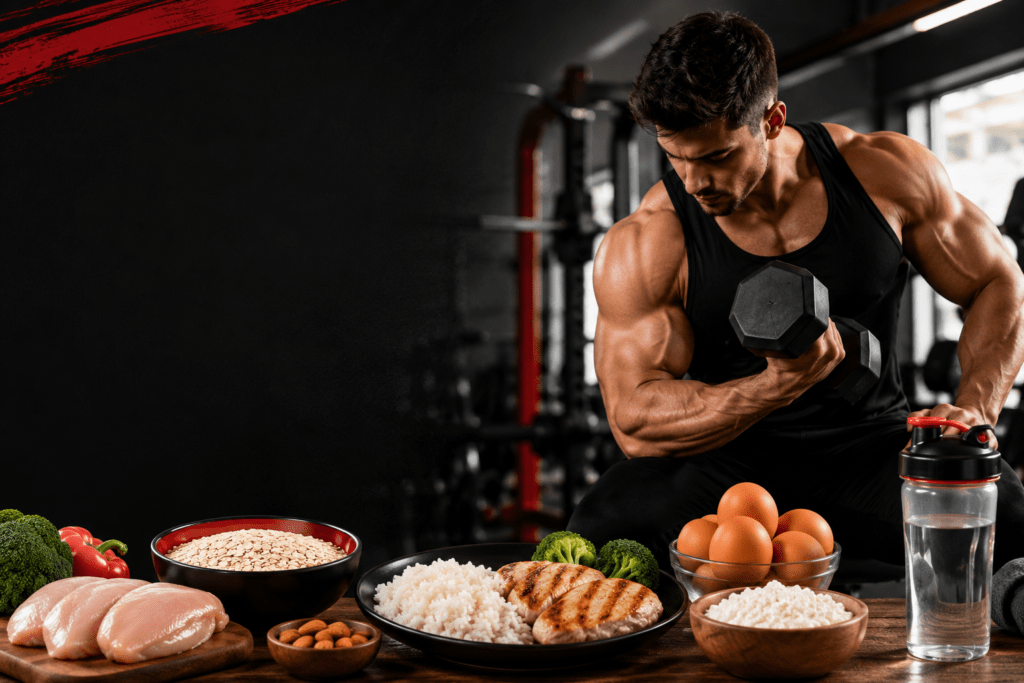
Protein provides the building blocks your muscles need to recover.
If your protein intake is too low, muscle growth becomes much harder.
A good target is around 1.6–2.2 grams of protein per kilogram of body weight per day.
For example:
- 60 kg person → 96–132 g protein
- 70 kg person → 112–154 g protein
- 80 kg person → 128–176 g protein
Good protein sources include:
- Chicken breast
- Eggs
- Fish
- Lean meat
- Paneer
- Tofu
- Milk
- Greek yogurt
- Whey protein (only if needed)
Remember, whey protein is just food in powdered form. It helps you meet your protein goal but isn’t mandatory.
Step 5: Don’t Ignore Carbohydrates For How to build muscle naturally
Some people become scared of carbs after watching social media videos.
That’s a mistake.
Carbohydrates are your body’s preferred energy source during intense workouts.
Low-carb diets may reduce training performance for many people trying to gain muscle.
Good carbohydrate choices include:
- Rice
- Oats
- Sweet potatoes
- Potatoes
- Fruits
- Whole grains
- Chapati
Carbs fuel your workouts, while protein repairs your muscles.
Both are important.
Step 6: Healthy Fats Are Important Too
Dietary fats support hormone production, including testosterone, which plays a role in muscle growth.
Aim for healthy fat sources such as:
- Almonds
- Walnuts
- Peanuts
- Peanut butter
- Olive oil
- Fish
- Flaxseeds
- Chia seeds
There’s no need to avoid fats completely.
Just keep portions balanced.
Step 7: Sleep Like It’s Part of Your Workout
Many people focus only on training and diet.
Recovery often gets ignored.
Most muscle repair happens while you’re sleeping.
Try to get 7–9 hours of quality sleep every night.
Poor sleep can reduce workout performance, increase fatigue, and slow muscle recovery.
If you’re serious about How to Build Muscle Naturally, sleep should be treated as part of your training program.
Step 8: Stay Consistent for Months, Not Weeks
This is probably the hardest part.
Most beginners expect visible abs and bigger arms after one month.
How to Build Muscle Naturally doesn’t work that way.
You might notice:
- Better strength within a few weeks
- Small visual changes after 6–8 weeks
- Significant muscle growth after several months
- Major transformation after one to two years of consistent effort
The people with the best physiques usually aren’t doing anything magical.
They’ve simply stayed consistent much longer than everyone else.
Common Mistakes That Slow Muscle Growth
Avoid these common mistakes if you want faster progress:
1. Changing workouts every week
Stick with a program long enough to improve.
2. Not eating enough
Many people think they eat a lot but actually don’t.
Track your calories for a week.
3. Skipping protein
Protein intake matters every single day.
4. Doing too much cardio
Cardio is healthy, but excessive amounts can make gaining weight harder if calories aren’t increased.
5. Training with poor form
Lifting heavier isn’t useful if your technique is unsafe.
Focus on controlled repetitions.
6. Comparing yourself to influencers
Many physiques online are enhanced, edited, or photographed under ideal lighting.
Compare yourself only to your previous self.
Do You Need Supplements?
Supplements can be helpful, but they should never replace a good diet.
The basics include:
- Whey protein (for convenience)
- Creatine monohydrate
- Fish oil (if your diet lacks fatty fish)
- Vitamin D (if deficient)
- A multivitamin only when dietary intake is inadequate
Remember, supplements support muscle growth—they don’t create it.
Training, nutrition, and recovery always come first.
How Long Does It Take to How to Build Muscle Naturally?
The answer depends on factors like genetics, training quality, diet, recovery, and consistency.
As a general expectation:
- Beginners often make the fastest progress.
- Intermediate lifters usually gain muscle more slowly.
- Advanced lifters may spend months adding a small amount of lean muscle.
Don’t chase unrealistic expectations. Focus on becoming slightly stronger every month.
Small improvements add up over time.
Final Thoughts
How to Build muscle naturally isn’t about finding secret exercises or buying every supplement on the market.
It’s about doing the simple things consistently.
Train with purpose.
Eat enough nutritious food.
Prioritize protein.
Recover properly.
Stay patient.
If you repeat those habits for months instead of days, you’ll build a stronger body naturally—and more importantly, you’ll build habits that actually last.
Frequently Asked Questions (FAQs)
1. Can I build muscle naturally without supplements?
Yes. A balanced diet with enough calories and protein is enough for muscle growth. Supplements are optional and mainly help with convenience.
2. How much protein do I need to build muscle?
Most people benefit from consuming around 1.6–2.2 grams of protein per kilogram of body weight each day.
3. How many days a week should I train for muscle growth?
Training 3–6 days per week with a structured resistance program works well for most people.
4. How long does it take to build noticeable muscle naturally?
Many beginners notice strength improvements within a few weeks, while visible muscle gains often appear after two to three months of consistent training and nutrition.
5. Can skinny people build muscle naturally?
Absolutely. Skinny beginners often experience rapid improvements when they follow a proper workout routine and eat enough calories.
6. Is cardio bad for muscle gain?
No. Moderate cardio supports heart health and recovery. Excessive cardio without increasing calorie intake may make muscle gain more difficult.
7. Do I need to lift heavy weights?
Not always. Muscles can grow with moderate or heavy weights as long as you train close to failure while maintaining good form.
8. Should I bulk to build muscle?
A small calorie surplus is generally more effective than staying in a calorie deficit if your primary goal is muscle growth.
9. What’s the best age to start building muscle?
Resistance training can be beneficial at many ages when performed safely with proper technique and appropriate progression.
10. Is whey protein necessary?
No. Whey protein is simply a convenient way to increase protein intake. You can meet your protein needs through whole foods.
Bonus FAQ Ideas for Future Blog Posts
These questions can each become a separate SEO-focused article:
- How much muscle can you gain naturally in one year?
- What is the best beginner workout plan for muscle growth?
- How many calories should I eat to build muscle?
- Can you build muscle while losing fat?
- Best high-protein Indian foods for muscle gain
- Does creatine help build muscle naturally?
- Is whey protein safe for beginners?
- How important is sleep for muscle recovery?
- Best home workouts for muscle building without equipment
- How often should you increase workout weights?
- Do women build muscle differently than men?
- Common muscle-building mistakes beginners should avoid
- What should you eat before and after a workout?
- Can vegetarians build muscle effectively?
- How to track muscle-building progress without relying on the weighing scale?