
If you go to any gym in Noida, Delhi, or pretty much anywhere in India right now, you’ll hear one supplement name again and again — creatine monohydrate.
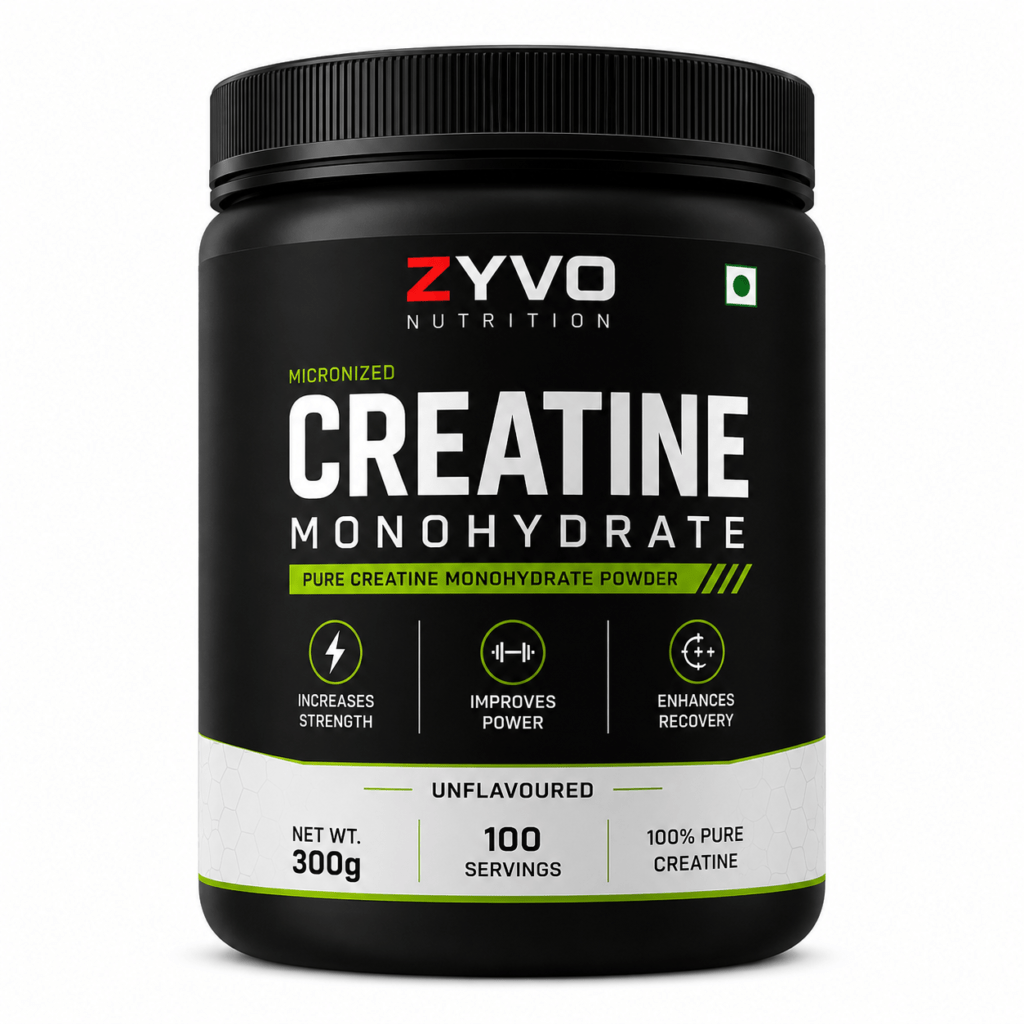
Some people treat it like magic powder. Others think it damages kidneys or causes hair loss instantly. Most beginners are just confused because Instagram reels keep pushing random opinions every day.
So let’s clear the nonsense.
I started noticing creatine properly when almost every strong guy in my gym was using it consistently. Not fancy pre-workouts. Not expensive “mass gainers.” Just basic creatine monohydrate. And honestly, after understanding how it actually works, it makes sense why it’s still the most researched sports supplement in the world.
If your goal is muscle gain, strength, better gym performance, or simply looking fuller and stronger naturally, creatine is probably the first supplement worth considering.
What Exactly Is Creatine Monohydrate?
Creatine is a natural compound already present in your body. Your muscles store it and use it for quick energy production during high-intensity activities like:
- Heavy lifting
- Sprinting
- Explosive movements
- Intense gym sets
You also get small amounts of creatine from foods like red meat and fish, but not enough to fully saturate your muscles.
That’s where creatine monohydrate supplementation helps.
It increases your muscle creatine stores, which means:
- Better strength output
- Improved workout performance
- Faster recovery between sets
- More muscle fullness
- Better long-term muscle growth potential
And no, it’s not a steroid.
That misunderstanding still exists because beginners see faster progress and assume something illegal is happening.
Why Creatine Monohydrate Is Better Than Most Fancy Supplements
Supplement companies love inventing “new advanced creatine formulas” every year because basic creatine monohydrate is cheap.
But here’s the reality:
most alternatives are just marketing.
Creatine monohydrate is still considered the gold standard because:
- It’s the most researched form
- It’s affordable
- It works consistently
- It’s safe for healthy individuals
- You don’t need complicated formulas
A lot of people waste money on flashy packaging instead of understanding basics.
You don’t need:
- 7-stage anabolic matrix
- Hyper absorption technology
- Nano creatine fusion nonsense
You need consistency.
That’s it.
What Happens When You Start Taking Creatine?
Most people notice a few things within the first couple of weeks:
1. Strength Increase
Your lifts usually improve slightly.
Maybe:
- 2 more reps
- Better endurance
- Slight increase in weights
Not superhero strength overnight. Real progress is gradual.
2. Muscles Look Fuller
Creatine pulls water into muscle cells. This makes muscles appear fuller and better pumped.
This is not “bad water retention” unless your diet is already terrible.
3. Better Recovery Between Sets
You may feel less exhausted during workouts.
4. Body Weight Increase
Usually 1–3 kg initially because of increased water stored inside muscles.
A lot of beginners panic here.
Relax.
That’s normal.
Does Creatine Cause Hair Loss?
This topic exploded online because of one old study that people constantly exaggerate.
Current research does not prove that creatine directly causes hair loss in healthy individuals.
Now be logical here:
If you already have strong genetic male pattern baldness, stress, poor sleep, terrible nutrition, and hormone issues, blaming creatine alone makes no sense.
Most people taking creatine never notice any hair-related issue.
Is Creatine Safe?
For healthy people, creatine monohydrate is considered one of the safest sports supplements ever studied.
But this doesn’t mean you should behave recklessly.
You still need:
- Proper hydration
- Good sleep
- Balanced diet
- Real workouts
Creatine cannot compensate for:
- Garbage training
- Protein deficiency
- Sleeping at 3 AM daily
- Inconsistent gym attendance
A lot of people expect supplements to replace discipline. That’s not how muscle building works.
How To Take Creatine Monohydrate Properly
This is where beginners overcomplicate things unnecessarily.
The Simple Method
Take:
3–5 grams daily
That’s enough for most people.
Timing matters far less than consistency.
Morning, post-workout, evening — doesn’t matter much.
Just take it every day.
Should You Do a Loading Phase?
You’ve probably seen people taking:
- 20 grams daily for 5–7 days
This is called a loading phase.
It saturates muscles faster, but it’s not necessary.
You can simply take:
- 3–5 grams daily
You’ll still get full benefits. It just takes slightly longer.
Honestly, most beginners don’t need loading phases at all.
How Much Water Should You Drink?
Not drinking enough water while using creatine is stupid.
Your muscles hold more water, so hydration matters.
You don’t need 10 liters daily like some gym influencers claim.
But if you’re training hard in Indian summer heat, especially around Delhi NCR, low water intake will make you feel terrible anyway.
Aim for proper hydration throughout the day.
Your urine color alone tells a lot.
Dark yellow constantly? Probably dehydrated.
Best Time To Take Creatine
People argue about this endlessly online.
Reality:
the “best” time is the time you’ll actually remember consistently.
Post-workout is common because it becomes part of the routine.
But daily consistency matters far more than exact timing.
Creatine and Muscle Gain
Here’s the important part people misunderstand.
Creatine itself does not magically build muscle out of nowhere.
It helps you:
- Train harder
- Recover better
- Progress gradually
That improved training performance leads to better muscle growth over time.
So if your workouts are weak, diet is inconsistent, and protein intake is poor, creatine alone won’t save you.
Supplements support effort.
They do not replace it.
Common Beginner Mistakes With Creatine
1. Expecting Instant Transformation
Creatine is not a steroid cycle.
You won’t wake up looking like a bodybuilder in 7 days.
2. Not Drinking Enough Water
Very common mistake.
3. Skipping Daily Doses
Consistency matters.
4. Buying Fake Products
India’s supplement market has tons of fake products.
Always buy from trusted sellers or verified brands.
5. Taking Too Much
More isn’t better.
Your body doesn’t suddenly build extra muscle because you doubled the dosage.
Do You Need Creatine If You’re a Beginner?
Honestly, beginners should first fix:
- Workout consistency
- Protein intake
- Sleep
- Training intensity
But if those basics are already decent, creatine monohydrate is absolutely worth considering because it’s one of the few supplements with actual evidence behind it.
Not fake promises.
Not influencer marketing.
Real results backed by years of research.
Final Thoughts
The fitness industry survives because people want shortcuts.
Creatine monohydrate became popular for the opposite reason:
it actually works when combined with proper training and nutrition.
That’s why even after decades, it’s still relevant.
No hype can keep a supplement alive that long unless it genuinely delivers results.
If your goal is:
- More strength
- Better gym performance
- Fuller muscles
- Improved training output
- Long-term muscle gain
then creatine monohydrate is probably one of the smartest supplement choices you can make.
But stop expecting miracles from a scoop of powder.
Your physique will still depend mostly on:
- Training discipline
- Diet quality
- Sleep
- Consistency over months and years
That’s the truth most people don’t want to hear.
FAQs About Creatine Monohydrate
Is creatine monohydrate safe for daily use?
Yes, healthy individuals commonly use 3–5 grams daily long term without issues.
Can beginners take creatine?
Yes, but beginners should first focus on proper training, protein intake, and sleep.
Does creatine cause kidney damage?
Current research does not show kidney damage in healthy individuals using recommended doses.
How long does creatine take to work?
Most people notice changes within 2–4 weeks depending on consistency and dosage.
Should I take creatine before or after workout?
Either is fine. Daily consistency matters more than timing.
Do I need a loading phase for creatine?
No. Loading is optional. Daily 3–5 grams works well for most people.
Can creatine help with muscle gain?
Yes, indirectly. It improves training performance, which supports muscle growth over time.
Does creatine increase body weight?
Usually yes, initially because muscles store more water.
Which is the best form of creatine?
Creatine monohydrate remains the most researched and effective form.
Can I take creatine without going to the gym?
You can, but benefits are much more noticeable with proper resistance training.
Does creatine cause bloating?
Some people experience mild water retention initially, but proper dosage usually minimizes this.
Is creatine good for skinny guys trying to bulk?
Yes. It can support strength and muscle-building efforts during a calorie surplus.
Can women use creatine monohydrate?
Yes. Creatine is not gender-specific and can benefit women as well.
Do I need to cycle creatine?
No strong evidence suggests cycling is necessary.
Can I mix creatine with protein shake?
Yes, that’s completely fine and commonly done