
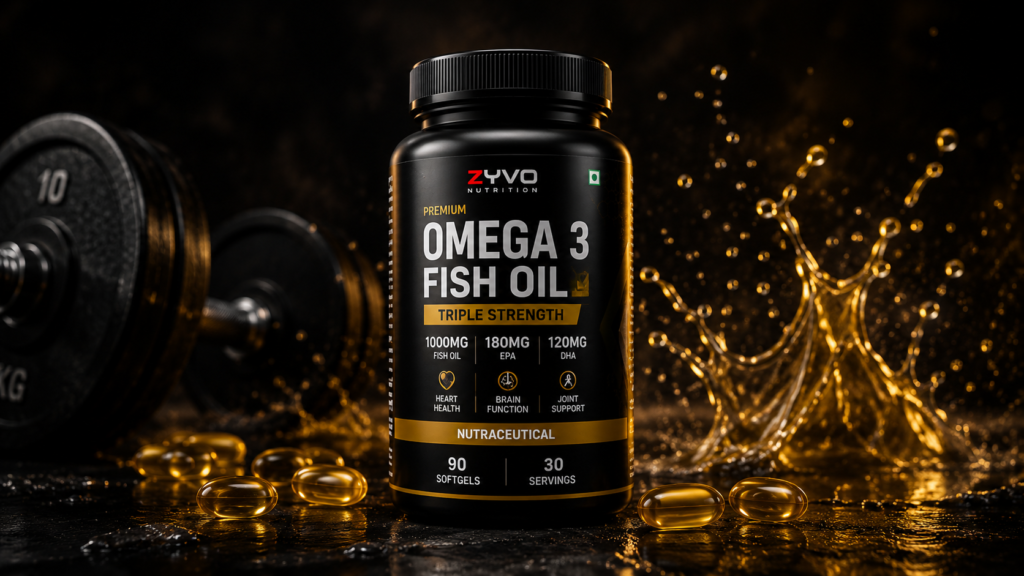
Walk into any supplement store in Noida and you’ll see fish oil bottles everywhere. Big claims. Better brain. Better heart. Better skin. Better muscle recovery. Some people take it without even knowing what it actually does. Others think it’s useless because only marketing
Truth is somewhere in the middle
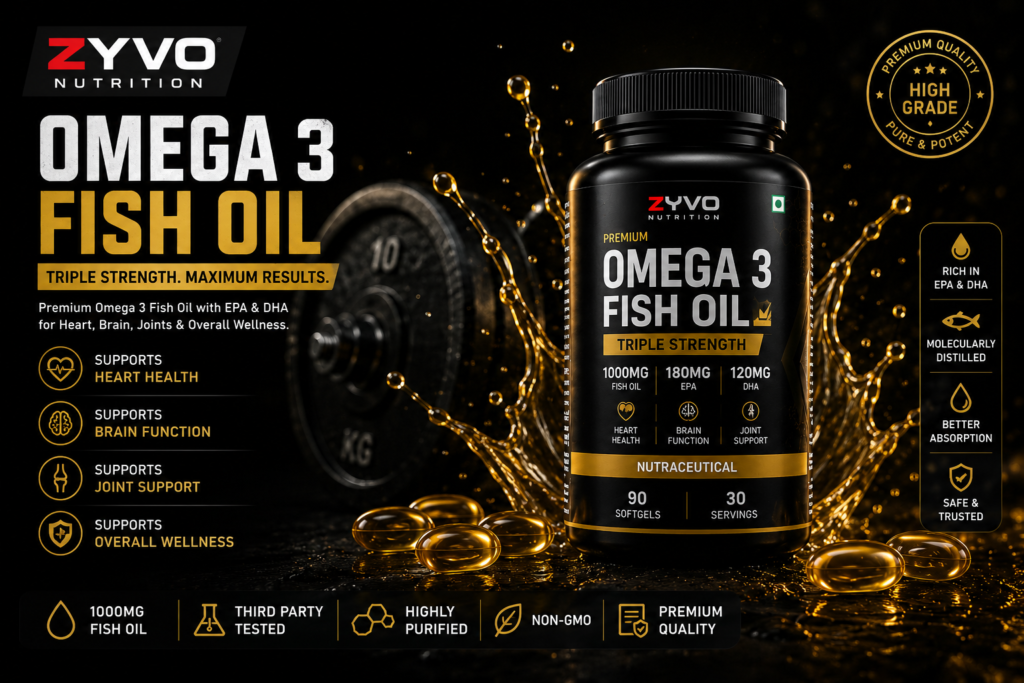
Omega 3 fish oil is one of the few supplements that actually has strong research behind it. But most people either:
- buy low-quality fish oil,
- take the wrong dosage,
- or expect steroid-level results from a basic health supplement.
That’s not how it works.
If your diet is already perfect and you eat fatty fish regularly, you may not even need it. But realistically, most people in India barely eat enough omega-3-rich foods. We eat a lot of omega-6 oils already, and that imbalance matters more than people think.
What Exactly Is Omega 3 Fish Oil?
Fish oil comes from fatty fish like salmon, sardines, mackerel, and anchovies. The important parts inside it are:
- EPA (Eicosapentaenoic Acid)
- DHA (Docosahexaenoic Acid)
These are the actual omega-3 fats your body uses.
A lot of cheap supplements scream “1000mg fish oil” on the front label, but when you check properly, EPA + DHA together may only be 300mg. That’s the trick most beginners miss.
The real value is not total fish oil amount. It’s the EPA and DHA content.
Why Omega 3 Matters
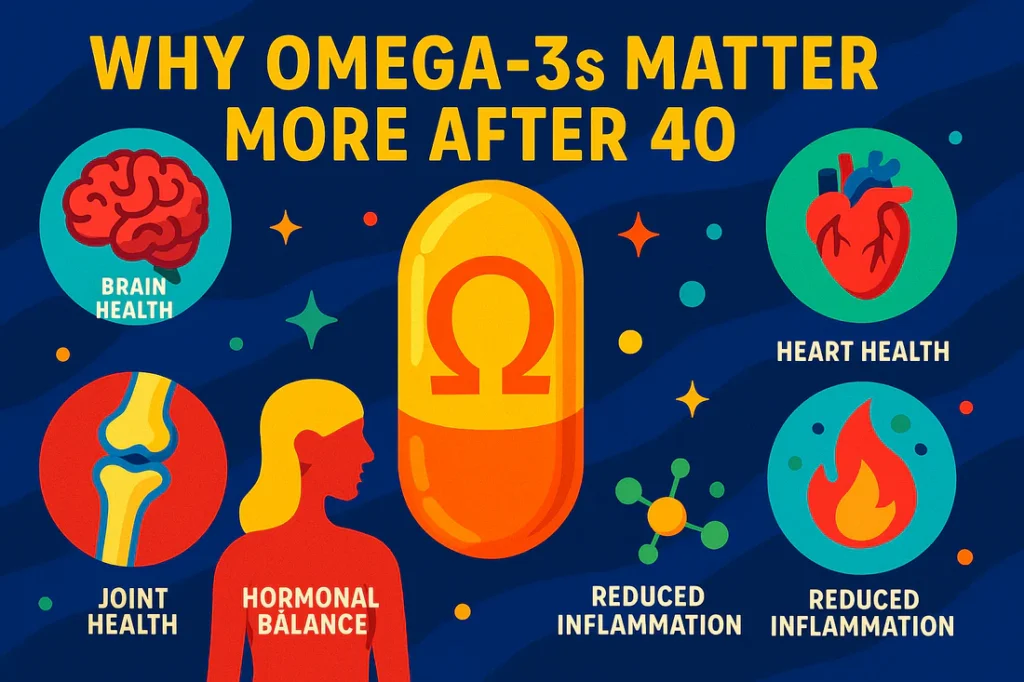
Your body cannot produce enough omega-3 on its own. You need food or supplements.
Omega-3 helps support:
- heart health
- brain function
- joint recovery
- inflammation control
- eye health
- skin quality
- recovery from intense workouts
Now don’t misunderstand this.
Fish oil will not magically transform your physique in 30 days. It’s not creatine. It’s not testosterone. It’s more like a “health foundation” supplement.
The benefits build slowly over time.
Omega 3 Fish Oil Gym and Muscle Recovery
This is where many gym guys start caring about fish oil.
Heavy training increases inflammation and stress on joints. If you’re lifting hard 5–6 days a week, especially compound movements like deadlifts, squats, or bench press, recovery matters.
Omega-3 may help with:
- reducing muscle soreness
- supporting joint comfort
- improving recovery quality
- supporting overall mobility
Some studies also suggest omega-3 can help muscle protein synthesis slightly, especially when combined with proper protein intake and resistance training.
But again — slight improvement. Not magic.
If your sleep is trash, protein intake is low, and workout programming is bad, fish oil won’t save you.
Omega 3 Fish Oil and Brain Function
One thing people ignore is how important DHA is for the brain.

Low omega-3 intake has been linked with poor cognitive health and mood issues. That doesn’t mean fish oil cures depression or suddenly makes you smarter. But consistent intake may support:
- focus
- memory
- mental performance
- mood balance
A lot of students and editors working long hours on screens may actually benefit from it because modern diets are terrible.
Omega 3 for Skin and Looks
This part gets overhyped online, especially in “looksmaxxing” communities.
Fish oil can support skin hydration and reduce dryness because healthy fats matter for skin quality. Some people notice:
- slightly healthier-looking skin
- less dryness
- better overall skin texture
But no supplement is replacing:
- sleep,
- hydration,
- skincare,
- good diet,
- and low stress.
People want glowing skin while sleeping 4 hours and eating chips daily. Doesn’t work like that.
Best Food Sources of Omega 3 fish oil
Supplements are useful, but food should come first when possible.
Good omega-3 sources:
- salmon
- sardines
- mackerel
- tuna
- flax seeds
- chia seeds
- walnuts
Important thing:
Plant sources like flax seeds contain ALA omega-3, which converts poorly into EPA and DHA. Fish sources are far more effective.
That’s why fish oil supplements exist in the first place.
How Much Omega 3 Do You Actually Need?
For general health, many people do well with:
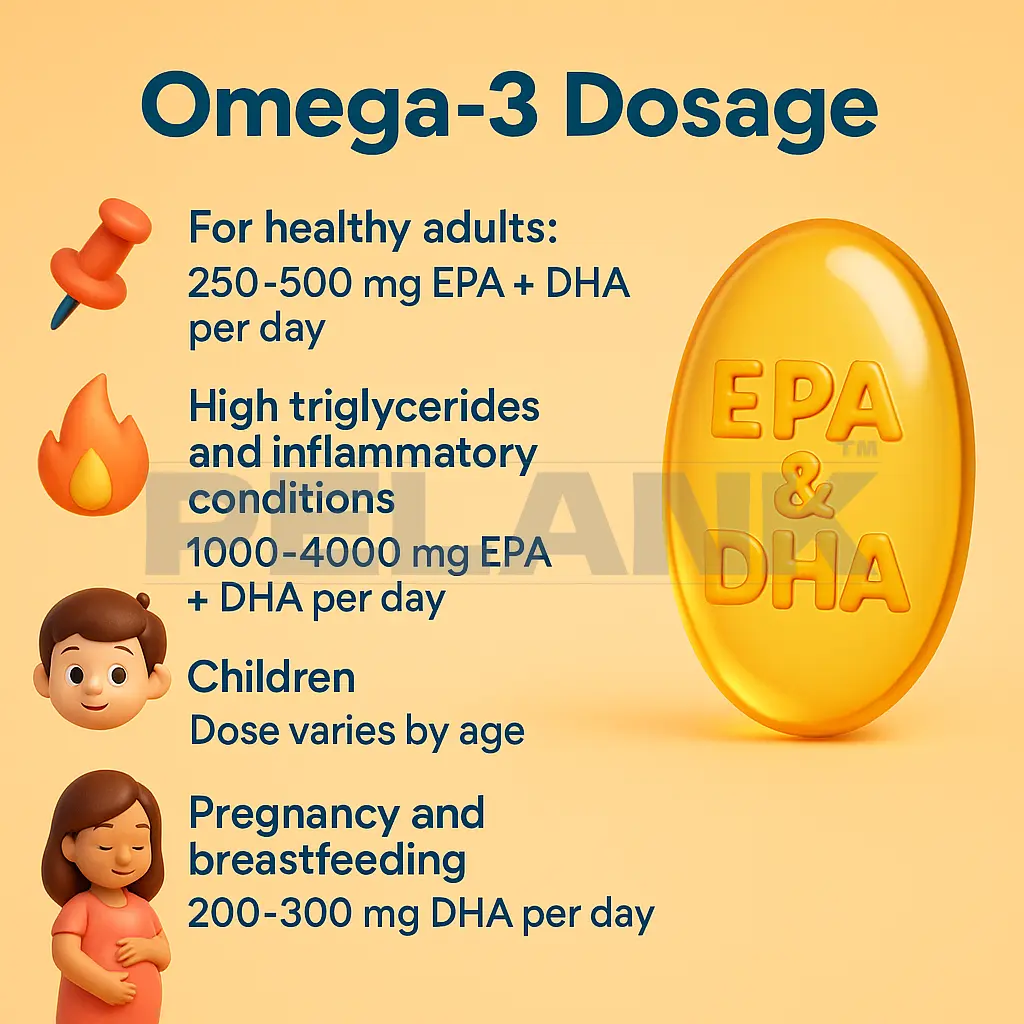
- 250–500mg combined EPA + DHA daily
For active gym-goers or people targeting inflammation support:
- around 1000–2000mg combined EPA + DHA may be used
But blindly taking huge doses is stupid.
More is not always better.
Very high doses can increase bleeding risk and may interact with medications. If someone already has medical conditions or takes blood thinners, they should talk to a doctor instead of copying random fitness influencers.
How to Choose a Good Omega 3 Fish Oil Supplement
Most low-quality products fail in three areas:
- low EPA/DHA content
- poor purification
- fake marketing
Here’s what actually matters:
1. Check EPA + DHA Amount
Ignore the big “1000mg fish oil” text.
Flip the bottle and check:
- EPA amount
- DHA amount
That’s the real value.
2. Look for Tested Products
Good brands usually mention:
- heavy metal testing
- mercury purification
- third-party testing
Cheap unknown brands sometimes cut corners badly.
3. Triglyceride Form Is Better
Some better fish oils use triglyceride form instead of ethyl ester form. Absorption is generally better.
Most beginners won’t even check this.
Best Time to Take Omega 3 Fish Oil
Take it with meals, preferably meals containing fat.
Why?
Because omega-3 absorbs better alongside dietary fats.
Taking fish oil on an empty stomach is one reason some people get:
- fishy burps
- nausea
- stomach discomfort
Side Effects of Omega 3 Fish Oil
Most people tolerate it well, but possible issues include:
- fishy aftertaste
- burps
- mild stomach upset
- nausea
- loose stools
Freezing capsules sometimes helps reduce fishy burps.
If someone gets severe reactions, they should stop taking it instead of forcing it.
Is Fish Oil Better Than Eating Fish?
No. Real food is generally better.
Fish gives:
- protein
- minerals
- vitamins
- omega-3 together
Supplements are mainly for convenience or for people who don’t consume enough fatty fish.
But if your diet has zero fish intake, fish oil supplementation makes far more sense than pretending walnuts alone will cover everything.
The Biggest Mistake People Make
They buy supplements before fixing basics.
Here’s the reality:
- Sleep matters more.
- Protein matters more.
- Total diet matters more.
- Consistency matters more.
Fish oil is useful, but it’s a support supplement, not a shortcut.
A lot of people spend money on omega-3 while drinking 3 soft drinks daily and eating almost no real food. Completely backwards priorities.
Final Thoughts
Omega 3 fish oil is not fake hype, but it’s also not some miracle capsule.
It’s one of the more practical supplements for overall health, recovery, and long-term wellness — especially for people who don’t eat enough fatty fish.
The key is:
- choose a quality product,
- understand EPA and DHA,
- take the right dosage,
- and keep realistic expectations.
If your foundation is weak, no supplement will compensate for it.
But if your training, diet, and recovery are already solid, omega-3 can be a smart addition that supports performance and health over time.
FAQ About Omega 3 Fish Oil
Is omega 3 fish oil good for gym beginners?
Yes, mainly for recovery, joint support, and overall health. But beginners should prioritize diet and protein first.
Can omega 3 help build muscle?
Indirectly, maybe slightly through better recovery and inflammation management. It’s not a muscle-building supplement like creatine.
What is the best time to take fish oil?
With meals containing fats for better absorption.
How much omega 3 should I take daily?
For general health, around 250–500mg EPA + DHA is common. Active individuals may use higher amounts depending on goals.
Can I take fish oil every day?
Yes, most people take it daily. Consistency matters more than random usage.
Does fish oil improve skin?
It may support hydration and skin health, but results are usually subtle and depend heavily on overall lifestyle.
Is omega 3 vegetarian?
Fish oil is not vegetarian. Vegetarian omega-3 usually comes from algae oil.
What foods are naturally rich in omega 3?
Salmon, sardines, mackerel, flax seeds, chia seeds, and walnuts.
Does fish oil increase testosterone?
There’s no strong evidence showing major testosterone increases from fish oil alone.
Can fish oil reduce joint pain?
Some people experience reduced stiffness or discomfort, especially active individuals or older adults.
What should I check before buying omega 3 supplements?
Look for:
- EPA content
- DHA content
- third-party testing
- purification standards
Is cod liver oil the same as fish oil?
Not exactly. Cod liver oil also contains high vitamin A and D levels, which changes dosage considerations.
Can omega 3 help concentration and focus?
It may support brain health and cognitive function, especially DHA, but it’s not a magic productivity pill.
Are fish oil capsules safe long term?
Generally yes for healthy individuals at reasonable doses, but high doses should not be taken blindly.
Blog Topic Ideas You Can Create Next
- Best Omega 3 Foods for Vegetarians
- Fish Oil vs Cod Liver Oil
- Best Supplements for Muscle Recovery
- Does Omega 3 Help Hair Growth?
- Creatine vs Fish Oil: Different Purposes Explained
- Signs You May Be Deficient in Omega 3
- Best Time to Take Supplements for Muscle Gain
- Whey Protein and Fish Oil Together
- Top Mistakes People Make While Buying Supplements
- Are Cheap Supplements Worth Buying?