
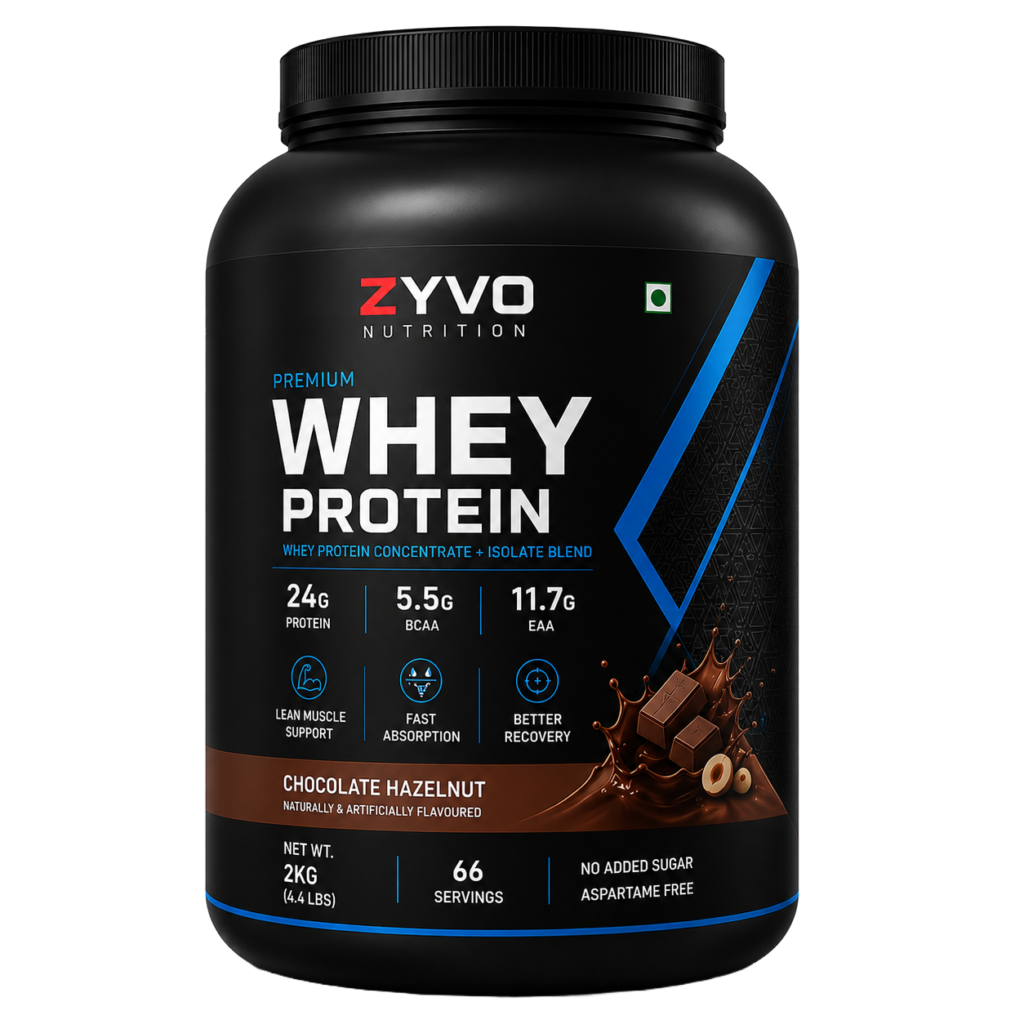
Protein Supplements for Muscle Gain
If you’ve started going to the gym recently, one thing you’ll notice fast is everyone suddenly becomes a “supplement expert.” One guy says whey protein is mandatory. Another says mass gainer changed his life. Someone else tells you creatine destroys kidneys. Half of it is gym bro science.
I’ve been through the same confusion. Walking into supplement stores in Noida, seeing giant tubs with crazy marketing like “EXTREME ANABOLIC MASS,” and thinking maybe that’s the secret behind muscle gain. Reality is much simpler.
Supplements can help, but they are not magic. If your diet, training, sleep, and consistency are trash, no supplement will save you. Most beginners waste money because they think buying expensive products will replace discipline.
So let’s break down what protein supplements actually do, which ones are worth buying, and how to use them properly for muscle gain.
Why Protein Matters for Muscle Growth
Muscle is literally built from protein. When you train hard, especially with heavy compound lifts like bench press, squats, rows, and deadlifts, your muscle fibers get damaged. Protein helps repair and rebuild them stronger.
If you don’t eat enough protein, your recovery becomes slower and muscle growth suffers.
A lot of Indian diets are low in protein without people realizing it. Roti, rice, chai, namkeen, biscuits, and random snacks fill calories but don’t provide enough quality protein.
That’s why supplements became popular. They’re basically a convenient way to complete your daily protein intake.
Not steroids. Not shortcuts. Just concentrated protein.
Do You Actually Need Protein Supplements?
No. You can build muscle without supplements.
Chicken, eggs, paneer, curd, fish, milk, soy chunks, dal, and whey all work. Your body doesn’t care whether protein came from a tandoori chicken plate or a shaker bottle.
But here’s the problem:
Most people struggle to consistently hit protein goals through food alone.
For example, if you weigh 70 kg and want decent muscle gain, you should roughly aim for around 110–140 grams of protein daily depending on training intensity.
Now calculate it honestly.
- 100g chicken = around 25g protein
- 1 egg = around 6g protein
- 100g paneer = around 18g protein
Suddenly you realize why whey protein became popular. It’s easier, faster, and convenient.
Best Protein Supplements for Muscle Gain
1. Whey Protein
This is the most useful supplement for muscle gain. Period.
Whey protein is absorbed quickly and contains all essential amino acids needed for muscle recovery and growth.
There are mainly 3 types:
Whey Concentrate
- Cheapest option
- Good for most people
- Contains slight fats and carbs
- Best value for money
Whey Isolate
- Higher protein percentage
- Lower lactose
- Easier digestion
- Usually more expensive
Hydrolyzed Whey
- Very fast digestion
- Mostly unnecessary unless you have digestion issues or extra money to burn
For most people, a normal whey concentrate works perfectly fine.
2. Mass Gainers
This is where many skinny beginners get trapped.
Mass gainers are basically protein plus huge amounts of carbs and calories. Some are useful. Most are overpriced sugar powder.
If you’re extremely skinny and genuinely struggle to eat enough food, a clean mass gainer can help. But many beginners buy gainers when they actually just need better eating habits.
A homemade shake often works better:
- Milk
- Oats
- Peanut butter
- Banana
- Whey protein
Cheaper, healthier, and better calories.
3. Casein Protein Supplements
Casein digests slowly. People usually take it before sleep because it provides a gradual release of amino acids overnight.
Honestly, unless your overall diet is already solid, casein isn’t necessary. Regular whey and proper meals are enough for most gym-goers.
4. Plant Protein Supplements
Good option for vegetarians or people with lactose issues.
The problem is many plant proteins have weaker amino acid profiles compared to whey. But modern blends using pea and rice protein are improving a lot.
Still, whey usually wins for muscle-building efficiency.
The Biggest Mistake Beginners Make
They focus more on supplements than training.
I’ve seen guys spend ₹6000 on supplements while their workout looks like random machine hopping and ego lifting.
Supplements support muscle gain. They don’t create it.
If you want actual results:
- Train hard
- Progressively overload
- Sleep properly
- Eat enough calories
- Stay consistent for months
That’s the real formula.
How Much Protein Do You Really Need?
This part gets overcomplicated online.
For muscle gain, most people do well around:
- 1.6 to 2.2 grams protein per kg bodyweight
So if you weigh:
- 60 kg → around 100–130g protein
- 70 kg → around 115–150g protein
- 80 kg → around 130–170g protein
Going insanely high doesn’t suddenly double muscle growth.
Your training quality and calorie intake matter too.
Best Time to Take Protein Supplements
People obsess over “anabolic windows” too much.
Truth:
Your total daily protein matters far more than exact timing.
Still, these timings work well:
- After workout
- Breakfast
- Between meals
- Before sleep (optional)
Post-workout whey is simply convenient because it’s quick and easy.
Is Whey Protein Safe?
Yes. For healthy people, whey protein is generally safe.
The internet is full of nonsense like:
- “Whey damages kidneys”
- “Protein causes hair loss”
- “Supplements ruin liver”
Most of these claims come from misinformation or people confusing steroids with supplements.
Protein powder is basically filtered dairy protein.
The real problems happen when:
- You buy fake supplements
- Ignore water intake
- Already have medical kidney conditions
- Depend only on supplements instead of real food
How to Identify Fake Protein Supplements
India has a massive fake supplement problem.
Especially in local markets and random Instagram stores.
Here’s what to check:
- Buy from official websites or trusted sellers
- Scan authenticity QR codes
- Check batch number
- Avoid unrealistically cheap prices
- Read ingredient labels properly
If a premium whey is selling at half market price, there’s usually a reason.
Creatine vs Protein: Which Is Better?
This comparison makes no sense because both do different jobs.
Protein
Helps complete daily protein intake.
Creatine
Improves strength, power, recovery, and workout performance.
If your budget allows only one:
- Fix protein intake first
- Then add creatine later
Creatine monohydrate is one of the most researched sports supplements ever. Cheap, effective, and useful.
Supplements That Are Mostly Overhyped
A lot of gym supplements exist mainly because fitness companies want more products to sell.
Here are some overrated ones:
- BCAAs (if protein intake is already good)
- Testosterone boosters
- Fat burners
- Nitric oxide boosters
- “Anabolic” blends with fancy labels
Most beginners would get better results spending that money on:
- Better food
- Gym membership
- Sleep
- Coaching
- Consistency
Budget-Friendly Muscle Gain Strategy
If you’re a student or on a tight budget, don’t overcomplicate things.
A simple setup works:
- Whey protein
- Creatine monohydrate
- Eggs
- Chicken or paneer
- Rice and oats
- Bananas
- Peanut butter
That alone is enough to build an impressive physique if training is solid.
You do not need 14 supplement containers on your shelf.
Final Thoughts
Protein supplements are tools, not miracles.
The fitness industry makes money by convincing people they’re one product away from a great body. They’re not.
Real muscle gain still comes down to:
- Progressive training
- Calorie surplus
- Enough protein
- Recovery
- Patience
Whey protein can absolutely help, especially if your diet lacks protein or your schedule is busy. But don’t fall into the trap of thinking supplements matter more than effort.
Because the guy training hard for 2 years with basic whey and disciplined eating will always beat the guy collecting expensive supplement tubs without consistency.
FAQs About Protein Supplements for Muscle Gain
Which protein is best for muscle gain?
Whey protein is usually the best option because it has a complete amino acid profile, fast absorption, and supports muscle recovery effectively.
Can beginners take whey protein?
Yes. Whey protein is safe for beginners if used properly alongside a balanced diet and regular training.
Is whey protein necessary for muscle building?
No. You can build muscle from whole foods alone. Whey simply makes it easier to hit daily protein targets.
How many scoops of protein should I take daily?
That depends on your diet. Most people take 1–2 scoops daily to complete protein intake.
Can whey protein cause acne?
Some people experience acne due to dairy sensitivity or poor digestion, but it doesn’t happen to everyone.
Is protein powder safe for teenagers?
Generally yes, if it’s from a trusted brand and used responsibly with proper nutrition.
Which is better for muscle gain: whey or mass gainer?
Whey is better for lean muscle gain. Mass gainers are useful mainly for people struggling to consume enough calories.
Can I take whey protein without gym?
You can, but extra protein without resistance training won’t magically build muscle.
What happens if I stop taking protein powder?
Nothing dramatic. Muscle loss only happens if your overall protein intake and training drop significantly.
Which protein supplement is best for vegetarians?
Whey protein is excellent for vegetarians. Plant protein blends are another good option for lactose-intolerant users.
Does whey protein increase body weight?
It can help increase weight if it contributes to a calorie surplus.
Is creatine better than whey protein?
They serve different purposes. Protein helps muscle recovery while creatine improves strength and performance.
Can protein supplements damage kidneys?
Healthy individuals usually tolerate protein supplements well. People with existing kidney disease should consult a doctor first.
What is the best time to take whey protein?
Post-workout is common, but total daily protein intake matters more than timing.
How do I know if my protein supplement is fake?
Check authenticity codes, buy from trusted sellers, inspect packaging quality, and avoid suspiciously low prices.